

Supporting women’s health: Inclusive care from UnitedHealthcare Global
Established to recognize the contributions and achievements of women — and to rally for equity for many facets of life — International Women’s Day was first officially celebrated in 1911. More than a century later, the day marks a moment to acknowledge how far we’ve come — and how far we have yet to go in terms of the challenges women face. In particular, there is a global disparity in women’s health care, with a gender bias affecting both access and quality.
By being aware of the health needs specific to women at every age and life stage, as well as the opportunities to provide quality care, we can work toward a healthier future for girls and women around the world. To further this, UnitedHealthcare Global offers innovative services and resources for more inclusive and consistent care for women.
The early years: Childhood through pre-puberty
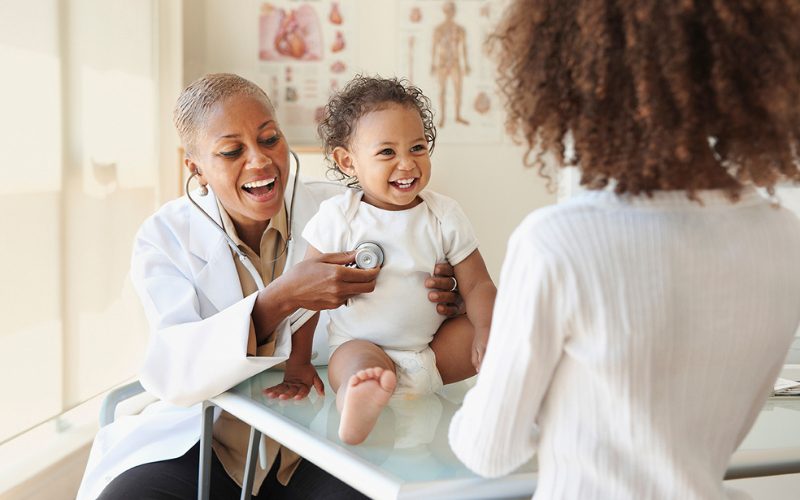
It’s also never too early to bring mental health into the conversation with girls. Common mood disorders such as depression and anxiety are increasingly common in tweens.3 Being vigilant about a girl’s need for mental health care is a vital form of support from parents and the other adults in her life, including teachers, caregivers and coaches.
Helping to establish healthy habits such as regular physical activity and good nutrition is one positive way adults can support girls. Exercise may help overall mental, emotional and physical health plus affects children’s body image, counteracting the constant media exposure and social pressures that affect self-esteem as well as potentially cause more dangerous disorders.4
Education about what to expect during puberty is important as well. Parents of girls in the prepuberty phase can access useful resources through LiveWell, where they’ll find information about physical changes, menstruation and contraception. Using resources like this, the adults and caregivers in girls’ lives can treat these topics as commonplace and shame-free, and girls may then be more likely to turn to these trusted adults with questions or if they need help.
The teen years: Puberty and adolescence
As any parent of a teenage girl can attest: This stage is filled with many ups and downs. Teenage girls are asked to navigate a changing body, peer pressure, social media, parent expectations and growing educational demands. Addressing the unique needs of the teen years requires a holistic approach,5 as well as compassionate and active listening to girls’ concerns and questions, particularly in regard to:
- Mental health. The level of anxiety, depression and other issues has reached such alarming levels that the U.S. surgeon general has issued an advisory to guide a path forward.
- Eating disorders and self-esteem/body image issues. The standards of beauty and the “ideal body” have made adolescents today more prone to concerns about their appearance than ever before, and may be partly responsible for the prevalence of eating disorders.6
- Unsafe substance use. Experimenting with alcohol, vaping and drugs is frequently observed in adolescence, and while overall substance use is decreasing in teens, the levels are still high. A recent survey revealed that 23% of high schoolers currently drink alcohol, and 16% currently use marijuana.7
- Sexual and reproductive health. Teen girls face sexual health matters such as sexually transmitted diseases (STDs) and unintended pregnancies. They also have new care options available to them, such as the potential benefits in contraceptives that offer decreased period bleeding and pain as well as the reduced risk of gynecologic disorders.
According to Dr. Shoba Subramanian, UnitedHealthcare Global Medical Director of Europe, Middle East and Africa, here are some universal ways to support teen girls’ health and wellbeing:
- Making emotional and mental health support easily accessible
- Comprehensive and clear education regarding sexuality, body image, substance use and nutrition
- Confidential, patient-led care that empowers girls to make responsible decisions about their own health and wellbeing
- Equal access to the sports, physical education classes and other activities that establish healthy habits for a lifetime
Resources for UnitedHealthcare Global members with daughters
Through programs and services such as LiveWell resources which are available to UnitedHealthcare Global members, families can give girls access to mental health tools and support such as therapy, self-help resources and education that allows them to learn about their bodies, choices and ways forward.
Adulthood: Ongoing wellness and prevention
As women enter adulthood, annual wellness exams plus age-specific and sexual health screenings become a crucial part of preventive care for women-specific conditions including premenstrual syndrome (PMS), cervical cancer, breast cancer, and sexually transmitted infections (STIs), many of which can be effectively managed when detected early.
Overall wellbeing can be affected by meeting the nutritional needs of adult women as well as considering positive lifestyle choices. Mental health care continues to be a necessary aspect of holistic health, as women build their careers and anticipate their wellness needs in the decades they have ahead.
Adulthood: Proactive tools for better health
UnitedHealthcare Global offers women resources such as My Wellbeing, a digital platform designed to support healthy habits and positive choices. Women can set personal goals, get motivation and support from group activity challenges, and learn ways to improve their health through social, physical and nutrition programs.
Parenting: Family planning, pregnancy and motherhood

Through the support of regular physical and mental health check-ups and screenings, women can more confidently navigate the reproductive years and prepare for pregnancy.8 In addition, there are nutritional and lifestyle modifications9 that can contribute to health and wellbeing if a woman chooses to start down the path of becoming a parent.
If a woman is dealing with infertility10, additional physical and emotional difficulties come into play. Counseling, therapy and other mental health resources may be important during fertility treatment.
Once pregnant, women need extra care to ensure their prenatal months are as stress-free and healthy as possible. Regular check-ups with skilled health care providers such as obstetricians and midwives will monitor the development of the baby and support a healthy pregnancy.
During pregnancy, women may face common symptoms like morning sickness, fatigue, back pain, and frequent trips to the bathroom. Health care providers may recommend prenatal vitamins and supplements to fill any nutritional gaps. Some women may even experience more serious conditions such as gestational diabetes, preeclampsia, or anemia. Even traveling while pregnant requires a different way of thinking. That’s why regular prenatal care, nutritional education and open communication with health care providers are key in helping women find the right prenatal-through-postpartum resources and support.
After birth, the adjustment to parenthood can be exciting but jarring, physically and emotionally. The experience of postpartum depression is common, and adds to the stress of sleep deprivation and monumental life changes. In addition, fluctuating hormones can cause mood swings, sensitivity, and changes in sleep patterns. Postpartum care is essential, with regular check-ups, emotional support, and guidance on infant care to help support women during this transition and promoting their overall wellbeing.
Support for the transition to parenthood
The transformative reproductive years in a woman’s life are a time filled with physical, emotional, and social changes. Women can connect with others in similar life stages through online communities, plus use real-time health and activity tracking as they work to physically prepare for parenting, recover from a pregnancy, and move forward as a mother. UnitedHealthcare Global’s offerings like MyWellbeing can also help women navigate this period of life with resilience, empowering each to make choices that foster optimal wellbeing.
Another offering that provides women support is LiveWell, including resources with specific content regarding pregnancy, birth, post-partum recovery and parenting, as well as ways to help nurture strong relationships for a web of support moving forward.
Menopause and beyond
While menopause is often spoken of as a singular turning point in a woman’s life, it is a multi-year experience11, with the transition affecting each woman differently. The hormonal shift of menopause can bring about physical and emotional changes like hot flashes, night sweats, trouble sleeping, mood swings, and even shifts in memory and brain function. Dr. Shoba Subramanian believes that proper understanding of this transition can change how women cope with its challenges, so education about this phase of life and a trusting connection with caregivers is key.
Menopause can also increase the risk of heart disease and stroke, so regular check-ups need to be on every women’s calendar at this life stage. Additional stressors may also come into play, such as concerns about long-term financial wellbeing as well as the combined physical, emotional and mental health changes caused by aging.
UnitedHealthcare Global helps women take on issues through a variety of tools and resources. For instance, by using LiveWell and MyWellbeing, women can identify and address risk factors such as high blood pressure, high cholesterol, or diabetes, and get lifestyle recommendations such as stress-reduction techniques, exercise plans or nutritional advice to help reduce risks. Financial Wellbeing, available via LiveWell, also helps UnitedHealthcare Global members with retirement financial planning.
There for what matters at every stage
But we can’t do it alone. Achieving inclusivity in women’s health care requires an ongoing commitment and collaboration with everyone stepping up to create equity: health care providers, policymakers, and individuals like you. In support of International Women’s Day, and every day forward, together we can drive positive change and improve health outcomes for women around the world.
General sources:
IWD: Power, privilege and priorities in women’s healthcare
Mayo: Promoting healthy body image in children, teens
CDC: What is children’s mental health?
Medical News Today: Tween mental health
Paediatr Child Health: The impact of the media on eating disorders in children and adolescents
CDC: Youth Risk Behavior Survey 2021
American College of Obstetricians and Gynecologists: Access to Contraception
Optum: Pregnancy & Birth:
1Optum. “Children: Infants & Toddlers.” https://www.livewell.optum.com/sec_LiveWell/sub_lw_FamilyParenting_ChildrenInfantsToddlers?accesstoken=80B6E580-9BE8-11EB-AC53-CBBFBA87E4EC. Accessed 2/24.
2Optum. “Children: Preschool & Youth.” https://www.livewell.optum.com/sec_LiveWell/sub_lw_FamilyParenting_ChildrenPreschoolYouth?accesstoken=80B6E580-9BE8-11EB-AC53-CBBFBA87E4EC. Accessed 2/24.
3Medical News Today. Nov. 14, 2023. “Tween mental health: What are the pressures and challenges?” https://www.medicalnewstoday.com/articles/tweens-mental-health#mental-health-challenges. Accessed 2/24.
4Paediatrics Child Health. 2003 May–Jun. “The impact of the media on eating disorders in children and adolescents.” https://www.ncbi.nlm.nih.gov/pmc/articles/PMC2792687/. Accessed 2/24.
5Optum. “Children: Preteen & Teen.” https://www.livewell.optum.com/sec_LiveWell/sub_lw_FamilyParenting_ChildrenPreteenTeen?accesstoken=80B6E580-9BE8-11EB-AC53-CBBFBA87E4EC. Accessed 2/24.
6Mental Health Foundation. “Body image in childhood.” https://www.mentalhealth.org.uk/explore-mental-health/articles/body-image-report-executive-summary/body-image-childhood#:~:text=The%20media%20and%20social%20media&text=In%20our%20survey%2C%2025%25%20of,worry%20about%20their%20body%20image.. Accessed 2/24.
7Centers for Disease Control and Prevention. “Youth Risk Behavior Survey Data Summary & Trends Report.” https://www.cdc.gov/healthyyouth/data/yrbs/yrbs_data_summary_and_trends.htm. Accessed 2/24.
8Optum. “Conceiving.” https://www.livewell.optum.com/sec_LiveWell/sub_lw_Pregnancy_Conceiving?accesstoken=80B6E580-9BE8-11EB-AC53-CBBFBA87E4EC. Accessed 2/24.
9Optum. “Pregnancy Planning.” https://www.livewell.optum.com/sec_LiveWell/sub_lw_Pregnancy_PregnancyPlanning?accesstoken=80B6E580-9BE8-11EB-AC53-CBBFBA87E4EC. Accessed 2/24.
10Optum. “Coping with infertility.” https://optumwellbeing.com/sec_EmployerEngagementToolkits/cnt_art_O2325_Copingwithinfertility/en-US. Accessed 2/24.
11Optum. “Let’s talk about menopause.” https://optumwellbeing.com/sec_EmployerEngagementToolkits/cnt_art_O2326_Letstalkaboutmenopause/en-US. Accessed 2/24.


